
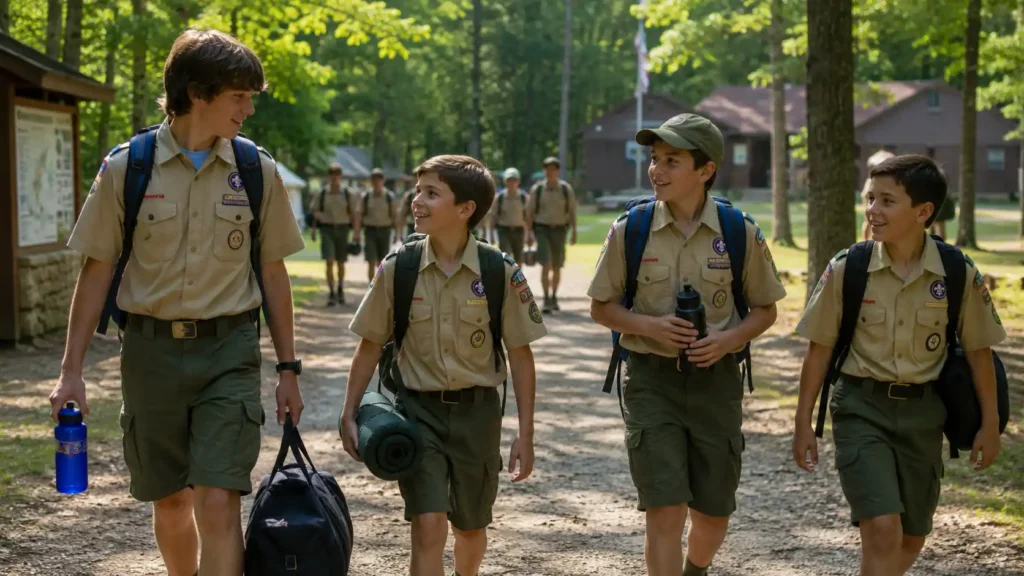
What homesickness research can teach parents and leaders before camp starts
Your Scout might miss home at summer camp.
That does not mean they are not ready. It does not mean camp is going badly. And it does not mean you failed to prepare them.
Most Scouts who struggle at summer camp are not dealing with a camping problem. They’re dealing with a being-away-from-home problem.
The encouraging news is that being away from home is something families can practice before camp ever starts. Researchers have found that children often adjust more successfully when they know what to expect, have experience being away, hear calm confidence from parents, have support from other people, and have a few strategies for handling difficult moments.
In other words, the goal is not to guarantee your Scout never feels homesick.
The goal is to help them know what to do if homesickness shows up.
The Short Answer
Before camp, help your Scout:
- Practice being away from home
- Know what camp may feel like
- Build connections in the troop
- Learn who to ask for help
- Practice a simple plan for difficult moments
Those steps may not prevent homesickness.
They may help a Scout feel more capable when it happens.
What Does “Ready for Camp” Actually Mean?
Many parents look at summer camp and quietly wonder:
What if my Scout isn’t ready?
One of the most common assumptions is that a ready Scout won’t get homesick, won’t be nervous, and won’t struggle during the week. That’s a tough standard because very few Scouts meet it.
Most Scouts experience something difficult at camp. They miss home. They get frustrated trying a new skill. They have a disagreement with another Scout. They have a day that doesn’t go the way they hoped. Those experiences are not usually signs that a Scout wasn’t ready. They are often part of growing in confidence and independence.
When experienced leaders talk about readiness, they’re often looking for something different. Can the Scout ask for help when they need it? Recover from a disappointing moment? Keep participating when something feels hard?
Those skills tend to matter more than whether a Scout ever feels uncomfortable. A Scout can miss home, wish they were in their own bed, and still spend the day learning skills, making friends, and having fun.
That’s why readiness is not really about avoiding difficult feelings. It’s about having the confidence, support, and skills to work through them.
Why First Summer Camp Can Feel Different
For many new Scouts, summer camp is their first long stretch away from home. At the same time, they may be adjusting to a new troop, unfamiliar routines, greater independence, and a social environment that feels very different from Cub Scouts.
Many first-year campers are younger, have limited experience being away from home, are learning new routines, and are navigating new social situations. That does not mean the Cub Scout-to-Scouts BSA transition causes homesickness, but it does mean many first-year Scouts arrive at camp carrying several challenges at the same time.
What Parents Can Do Before Camp
The good news is that parents can influence many of the factors researchers associate with a smoother camp adjustment. You cannot eliminate every difficult moment, but you can help your Scout arrive with more experience, better expectations, and a plan for handling challenges when they appear.
Practice Being Away
One of the most helpful things parents can do before camp is give their Scout opportunities to practice being away from home. A weekend campout, sleepover, or short trip without parents can help a child learn something important:
I can handle being away from home.
The goal is not to toughen a Scout up. The goal is to give them experience working through a challenge before summer camp arrives. Confidence rarely comes from being told you can do something. It usually comes from discovering that you already have.
Set Realistic Expectations
The way parents talk about camp can shape how Scouts experience it. It is tempting to promise that camp will be the best week of the summer, but that can create an unrealistic standard.
A more helpful message is that camp will probably include both great moments and difficult ones. New friends, new skills, and exciting activities may sit right alongside homesickness, frustration, mistakes, or disappointment.
Some parts will be fun. Some parts may feel hard. Both are normal.
That message does not make camp less exciting. It helps Scouts understand that a difficult moment is part of the experience, not evidence that something has gone wrong.
Be Careful With Rescue Promises
Parents naturally want their children to know they are supported. Sometimes that leads to well-intentioned messages like:
If you’re miserable, we’ll come get you.
The challenge is that rescue promises can unintentionally shift a Scout’s attention toward leaving rather than coping.
A stronger message might sound like this:
If you miss home, use your plan and ask for help. We believe you can handle hard moments.
Both messages communicate support. One teaches a Scout what to do when things get hard. The other teaches a Scout how to leave when things get hard.
Give Your Scout a Coping Plan
If camp is only a few weeks away, do not panic. You still have time to prepare.
One of the most useful things a Scout can bring to camp is a simple plan for what to do when a hard moment shows up. The plan does not need to be complicated.
When I miss home, I will:
- Drink water
- Find my buddy
- Join the next activity
- Tell my patrol leader or an adult leader
- Wait until after the next meal before deciding the entire day is bad
A coping plan will not eliminate homesickness. Its purpose is much simpler. It gives a Scout something to do before a difficult feeling grows large enough to define the entire day.
What Troops Can Do Before Camp
Troops can help prepare Scouts for camp by making it feel less mysterious before they arrive.
That preparation may take many forms, including gear shakedowns, camp schedule walk-throughs, buddy plans, parent meetings, spring campouts, or simple conversations about what to do when a difficult moment shows up.
Researchers do not know which preparation activities matter most, but many experienced leaders believe these kinds of experiences help first-year Scouts feel more comfortable navigating camp because they replace uncertainty with familiarity.
The goal is not to eliminate discomfort. The goal is to help Scouts arrive with a better understanding of what camp will be like and greater confidence in their ability to handle it.
About “Just Keep Them Busy”
Many experienced Scoutmasters say the best thing for a homesick Scout is to keep them busy.
There may be wisdom in that advice, but the more interesting question is why it works.
Researchers consistently find that support from other people matters. Many camp professionals and experienced Scout leaders believe that when a homesick Scout joins an activity, spends time with their patrol, learns a skill from an older Scout, or simply stays engaged in camp life, they are gaining more than a distraction.
They are staying connected.
We do not know exactly which parts of those experiences matter most. But the goal may be bigger than keeping a Scout occupied until the feeling passes. The goal is helping them stay connected to people, routines, and camp life while they work through it.
Whatever approach a troop uses, it works best when it happens naturally. A Scout should not feel labeled as “the homesick kid.”
What Not to Say
When a Scout is struggling, it is natural to want to make the feeling go away.
That instinct often leads adults toward messages that minimize the feeling, challenge the Scout to be tougher, or offer an immediate way out. Those messages can accidentally teach a Scout that homesickness is something to fear, hide, or escape.
Avoid messages like:
- Only little kids get homesick.
- Real Scouts tough it out.
- If you don’t like it, we’ll come get you.
- You’ll be fine. Don’t worry about it.
A more helpful approach is to acknowledge the feeling without treating it as an emergency.
Try something like:
Lots of people miss home at some point. That feeling usually comes and goes. You have people who can help, and you have a plan.
The goal is not to convince a Scout that nothing is wrong. The goal is to help them remember that a difficult feeling is not the same thing as a bad outcome.
If Homesickness Still Happens
Preparation may help, but it does not guarantee an easy week. Some Scouts will still struggle with homesickness, even when parents and leaders have done everything this article recommends.
A difficult week does not mean a Scout was unprepared.
Homesickness is not evidence that a Scout does not belong at camp. Many Scouts who experience homesickness still make friends, learn new skills, gain confidence, and finish the week proud of what they accomplished.
A successful camp experience does not require a perfect week.
Before Camp Checklist
Help your Scout:
- Spend time away from home
- Practice finding and managing their gear
- Understand what a camp day may feel like
- Identify trusted youth and adults
- Practice a coping plan
- Hear calm confidence from parents
You cannot promise your Scout will not miss home.
You can help them arrive with practice, support, expectations, and a plan.
That is what being ready looks like.
Want to Learn More?
If this topic is on your mind, these resources are worth reading:
- American Camp Association: Coping With Homesickness at Camp
- Scouting America Safety Moment: Homesickness
- On Scouting: Be Prepared for Some Scouts to Get Homesick This Summer